Spider plant soil: what mix works best and what to avoid
Use a general indoor potting mix that drains freely and holds some moisture. Compacted soil, oversized pots, and poor drainage can leave spider plant roots wet for too long.
Best default
Standard indoor potting mix
Main risk
Dense soil that stays wet for days
If soil is compacted
Replacing old mix instead of over-tweaking it
How to choose a mix
- A light indoor potting mix is usually the right base.
- Good drainage matters more than chasing a complicated recipe.
- Heavy soil is a bigger risk than soil that is slightly too airy.
- Old compacted mix causes more trouble than the original ingredients list.
Simple rule
Choose a mix that drains cleanly, then match it with a sensible pot size and realistic watering habits.
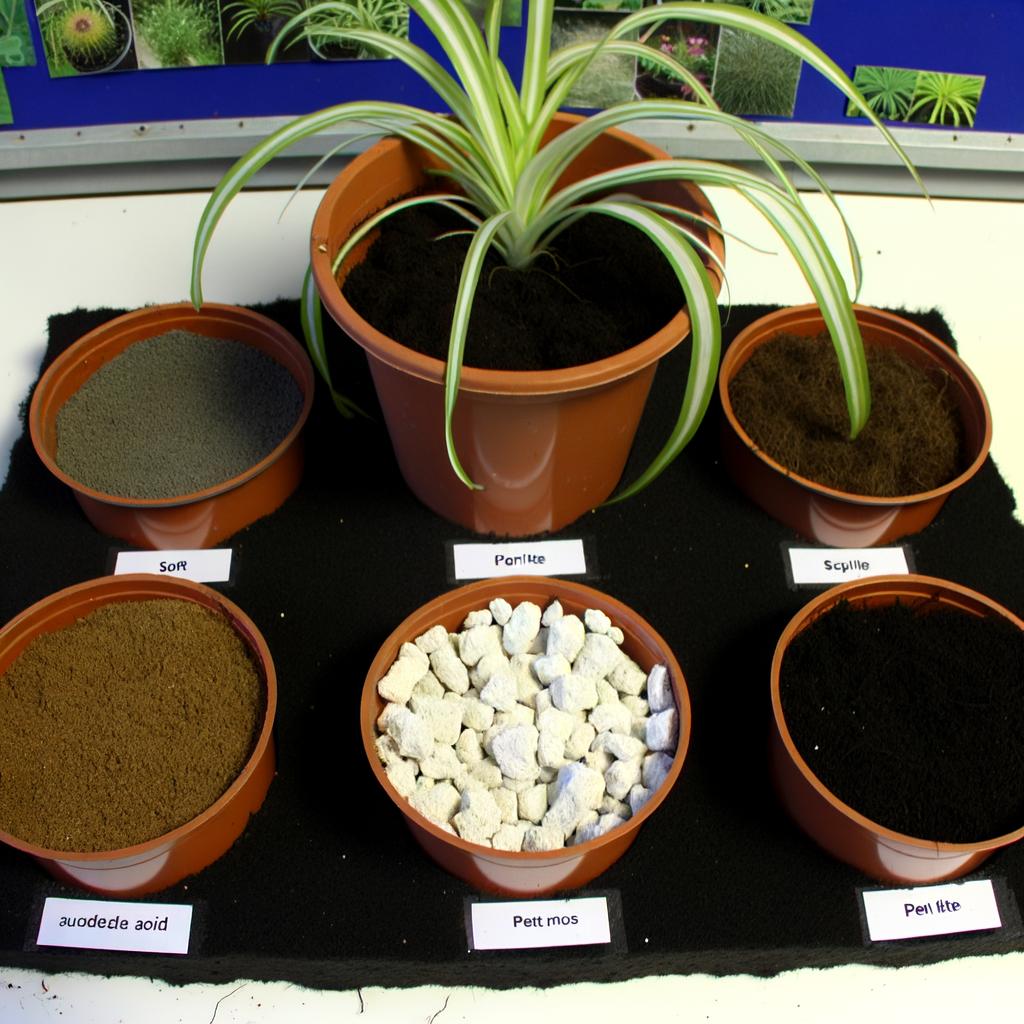
Check how the mix drains
Start with a general indoor potting mix.
Choose a mix that drains, absorbs water evenly, and allows air around the roots.
If water sits
The mix is likely too dense, the pot is too large, or both.
If the mix turned hard
Refresh it instead of trying to rescue worn-out media forever.
Soil guide by situation
| What you see | What it usually means | Next step |
|---|---|---|
| Mix drains well and rewets evenly | Usually a good fit | Keep it and focus on consistent watering. |
| Soil stays wet for many days | Mix may be too dense for the pot and root mass | Improve drainage and check root health. |
| Soil turns hard and repels water | Old mix may be compacted or hydrophobic | Refresh the potting mix rather than forcing more water through it. |
| White crust builds on the surface | Mineral or fertilizer salt buildup | Flush, top-dress, or replace the mix depending on severity. |
| You are choosing between standard houseplant mix and cactus mix | Neither extreme is ideal by default | Start with houseplant mix and add aeration only if needed. |
What a good spider plant mix feels like
A good mix feels light enough that water moves through it instead of sitting at the top for a long time. It should also rewet reasonably well after drying, rather than shrinking into a hard hydrophobic block.
The mix should hold some moisture while allowing air to reach the roots.
What to avoid
- Dense garden soil: usually too heavy and slow-draining for containers.
- Old exhausted mix: structure breaks down and drainage becomes less predictable.
- Oversized pots: even good soil can stay wet too long when the pot is too large.
- Extreme dryness mixes: pure cactus-style blends can run too dry for many indoor setups.
When to modify a standard potting mix
Add aeration
If your mix stays wet too long, adding perlite or bark can make it more forgiving. This is often useful in cooler homes, larger pots, or slower-drying rooms.
Leave it mostly alone
If the plant grows well and the pot dries at a reasonable pace, you do not need to rebuild the mix just because a recipe online says you should.
Replace instead of tweaking
If the existing soil is compacted, salty, or hard to rewet, it is often better to replace it than keep trying to fix a failing medium in place.