Spider Plant Shop
Best pots for spider plants: what helps roots stay healthy
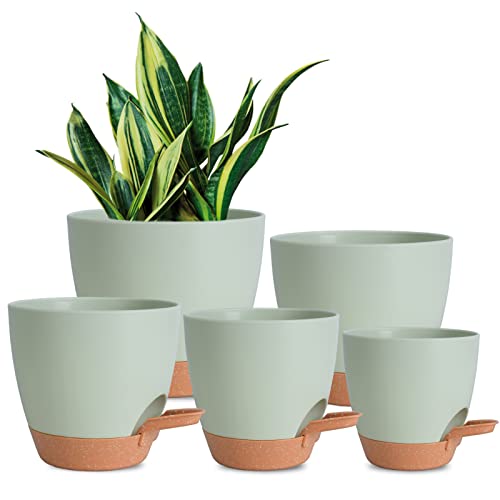
Choose a spider plant pot with drainage holes and enough room for the roots without a large volume of extra soil. Match the material and size to how quickly the potting mix dries in your home.
Quick buying rules
- Choose drainage before aesthetics. Spider plants tolerate being slightly rootbound better than sitting in stale wet soil.
- Size up modestly when repotting. Oversized pots keep the mix wet too long and raise root-rot risk.
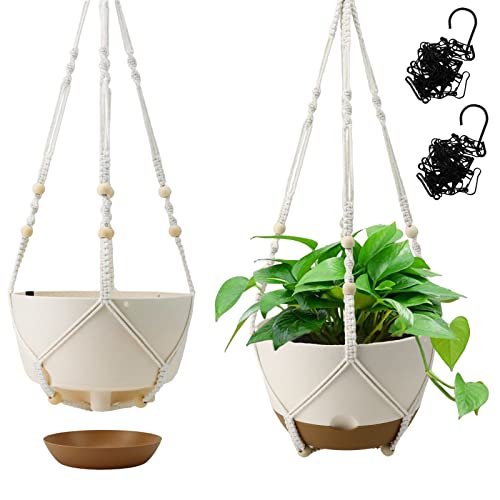
- Hanging pots work well when the plant is mature and arching, but they still need airflow and drainage.
- Self-watering containers only help if you already understand the plant's dry-down rhythm.
Direct answer
For most spider plants, the safest default is a moderately sized pot with drainage holes and a mix that dries at a steady pace. Decorative style matters less than avoiding a container that keeps roots wet for too long.
How to choose the right type of pot
Standard drainage pots
A pot with drainage holes lets excess water escape after a thorough watering. Check how quickly the soil dries if leaves yellow or roots show stress.
Cachepots and decorative outer pots
Place a nursery pot inside a decorative outer pot if you want to keep drainage holes hidden. Remove it for watering, let it drain, and empty any water left in the outer pot.
Hanging planters
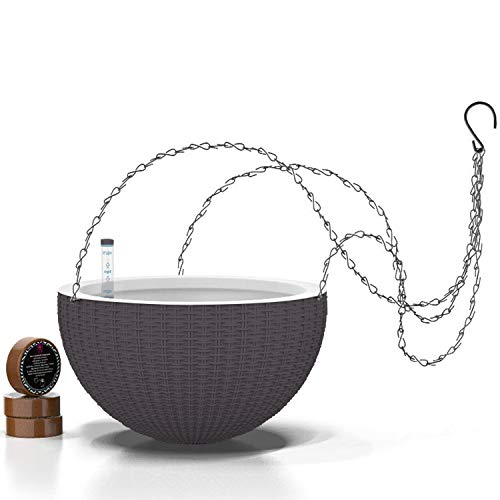
Spider plants look excellent in hanging containers once mature, but they still need the same drainage and sizing discipline as shelf pots. Hanging does not cancel out overwatering risk.
Self-watering pots
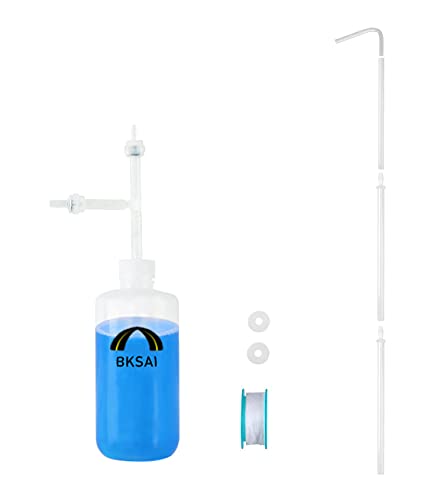
A self-watering pot may help with missed waterings. Check the soil regularly, because a reservoir can keep roots too wet.
Best for different buyer needs
| If you need... | Look for... | Why it helps |
|---|---|---|
| You overwater easily | A pot with strong drainage and breathable material | It helps the soil dry more predictably between waterings. |
| You want a mature hanging display | A hanging planter with drainage and enough width for pups | Spider plants spread outward as much as they deepen. |
| You want less mess indoors | A nursery pot inside a cachepot or saucer system | You can still drain thoroughly without trapping water around the roots. |
| You forget to water until the plant droops | Match the pot and mix to how quickly your plant dries | Pot size, soil, and drainage all affect water retention. |
Product options
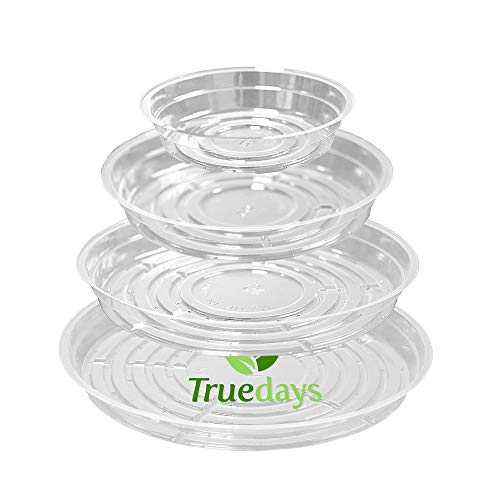
Recommended pot and planter options
Compare drainage, size, and material, then choose a pot for your soil and watering routine.














When the pot is causing the problem
If the soil stays wet for days, yellow leaves spread quickly, or roots smell sour, the container may be contributing to root stress.
If the plant dries out too fast and droops repeatedly, the issue may be a small rootbound pot or a mix-and-pot combination that is drying too aggressively.
Check pot size and drainage alongside the soil and roots before replacing the container.